Core of the Heart Daily
- 4.9
- Rating
- 100.00K
- Installs
- Free
- Price

 Analysis by App-foxy
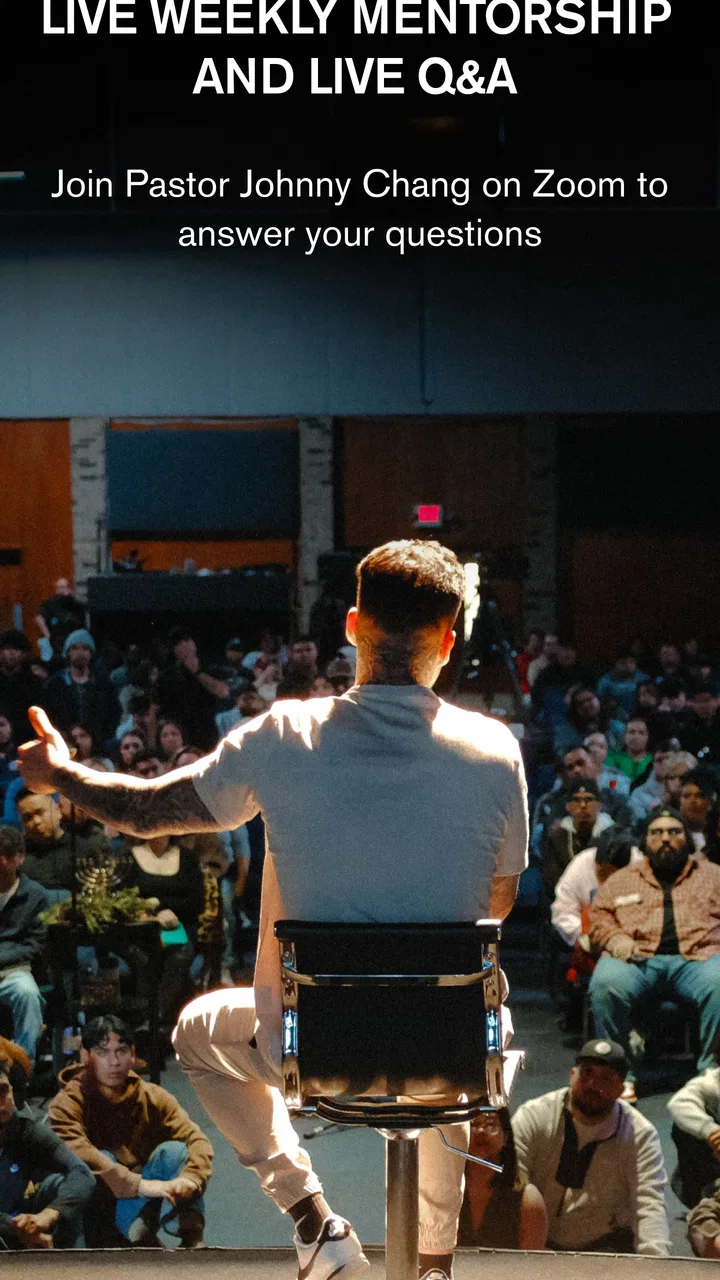
I approached Core of the Heart Daily as a lifestyle app for people who want faith-based guidance to fit into ordinary routines rather than remain something reserved for a weekly setting. Its focus is a combination of live mentorship classes and daily devotions by Johnny Chang, which gives it a more personal rhythm than a simple collection of inspirational quotes. In my experience, that combination is the main reason to consider it: the app is built around returning regularly, listening or watching with attention, and carrying one useful thought into the rest of the day.
The app comes from Core of the Heart and is free to install, with optional in-app purchases ranging from around 33 dollars to over 800 dollars per item. That pricing range is important to understand before getting deeply involved, because the free entry point and the possible paid commitments are very different parts of the experience. It is rated for Everyone, runs on Android 7.0 or later, and its current version is 1.3.0. The service reached a 4.9 average from about 12 thousand ratings and has more than 100 thousand installs, so it has clearly found an audience, even though popularity alone should not decide whether it suits your needs.
Readability and navigation shape the first impression
The most important accessibility question for a devotional app is not simply whether it contains useful material. It is whether I can find the right session without feeling lost, read the available text without unnecessary effort, and return to a familiar routine after a busy day. Core of the Heart Daily works best when I treat it as a focused daily stop rather than as a large library to explore randomly. The devotional purpose gives the app a clear direction, and that is easier to understand than a broad lifestyle platform filled with unrelated tools.
You May Also Like

 Pandora - Music & Podcasts
Pandora’s Music Is Easy to Start, but Harder to Recover
Pandora’s strength is its low-effort path from a seed to a station. Its weak spot is how much confidence it asks you to place in connection, setup, and quiet recovery.

 8 Ball Pool
 Is Built on Rivalries, Rematches, and Routine
A close look at the rivalries, rematches, shared routines, and unanswered safety questions that turn a quick pool match into a persistent mobile community.

 Samsung Music
’s Quiet Strength Is Playing What You Already Own
Its reach comes less from spectacle than from dependable access to a personal library. That simplicity is both the app’s strongest retention engine and its ceiling.

 AccuWeather: Weather Radar
AccuWeather Review: A Quick, Clear Forecast for Everyday Decisions
For everyday plans, the best forecast is the one you can understand quickly. AccuWeather makes rain timing, radar, and local conditions easy to act on, with a few trade-offs.

 Hill Climb Racing
Why Hill Climb Racing Still Turns Crashes Into One More Run
A tiny car, a bumpy hill and one more upgrade: Hill Climb Racing keeps resurfacing because its simple chaos makes every near-miss feel personal.

 AliExpress - Shopping App
AliExpress Makes Global Shopping Feel Personal, but Shoppers Bear the Risk
AliExpress turns a global marketplace into a pocket-sized discovery engine. Its reach is useful, its shopping loop compelling, and its trade-offs easy to miss.
More From Our News Desk
View All News


For someone who prefers a quiet, predictable workflow, the distinction between daily devotions and live mentorship classes is useful. These are different kinds of engagement. A short devotional moment can fit before work, during a lunch break, or near bedtime, while a live class asks for more attention and a better time commitment. Keeping those purposes separate helps me decide what I can realistically do instead of opening the app with an unrealistic plan to consume everything.
I also found that a simple personal routine is more valuable here than constant browsing. I would begin by choosing one regular point in the day, open the devotional material, and note one idea that feels practical. On another day, I might reserve a longer period for a mentorship class. This approach reduces visual and mental clutter because I am not repeatedly scanning every available option. It is a small habit, but it makes the app feel more manageable for users who become tired when presented with too many choices.
People with reading difficulties may appreciate the ability to engage with teaching in more than one way, but the experience still depends on how each individual class or devotional is presented. Text-heavy material can be tiring for users with dyslexia, limited reading stamina, or attention-related challenges. I would not assume that every screen is equally comfortable for every reader. A practical workaround is to use the app in shorter sessions, increase the device’s general text size when possible, and avoid trying to complete a devotional while doing another demanding task.
Older users or people who are not comfortable with mobile apps may need a short orientation period. The app’s purpose is easy to understand, but understanding where to begin and how live material differs from daily material can still require patience. I would recommend opening it together with a family member or friend the first time if navigating unfamiliar phone interfaces is difficult. That is not a criticism of the subject matter; it is a reminder that a clear spiritual goal does not automatically make every digital interaction effortless.
How I would organize a realistic daily session
My preferred workflow would be deliberately small. I would open the app when I have enough quiet to concentrate, read or follow the day’s devotional material, and write down a single action rather than a long list of resolutions. If I want deeper guidance, I would then look for a live mentorship class at a time when I can remain present. Separating reflection from live participation prevents the two experiences from competing with each other.
This also helps users with limited attention or fluctuating energy. On a difficult day, a brief devotional check-in may be realistic while a live class is not. On a calmer day, the class can become the main activity. The strongest accessibility choice is often matching the app’s use to your available energy, not forcing the same routine every day. That flexible approach is more sustainable than measuring success by how much content I complete.
Motor, sensory, and attention considerations
Any app centered on live classes and devotional content can create different demands for different users. A person with limited hand movement may find repeated tapping, scrolling, or precise timing tiring. Someone with tremors, joint pain, or one-handed phone use may prefer to prepare the session in advance and keep the device in a stable position. I would avoid assuming that a live class is easy simply because it is accessed through a phone. The physical act of holding, positioning, and interacting with the device can become the real barrier.
A stand or stable surface can make a noticeable difference during longer viewing or listening. It reduces the need to grip the phone and lets the user change posture without losing access. If a user relies on a larger display, moving the session to a supported device may also be more comfortable, provided the app experience is available there. I would test the setup before an important live session rather than discovering during the class that the phone position, screen angle, or controls are inconvenient.
Sensory needs deserve equal attention. Live teaching can be difficult for users who are sensitive to sudden sounds, busy environments, or prolonged screen exposure. I would use a quieter room, control the device volume carefully, and take breaks when concentration starts to fade. A person who is sensitive to light may prefer a dimmer setting or a less visually demanding time of day. These are general device adjustments rather than special claims about the app, but they can determine whether the content feels welcoming or exhausting.
Users with hearing loss should think carefully about how they normally access spoken teaching. If captions or transcripts are not available for a particular item, understanding a live class may be difficult. I would not rely on the app as a sole source of instruction unless the presentation format works for the user’s hearing needs. A person who depends on visual text should try a typical session before committing to paid material. The same caution applies to users with visual impairments who depend on screen readers or magnification: the practical experience may vary according to the app’s layout and the phone’s accessibility settings.
Attention-related differences also change the best way to use the service. A live class may be meaningful but demanding for someone who struggles with sustained focus, especially after work or during a stressful period. I would keep a notebook nearby, silence unrelated notifications, and choose a shorter, calmer routine whenever possible. Taking one idea from a session is more useful than trying to remember every point. If the app becomes another source of pressure, the routine needs to become smaller, not stricter.
Live participation versus quiet reflection
The live element is both a strength and a limitation. It offers a sense of immediacy that a static devotional book cannot provide, and some people will find that scheduled mentorship encourages them to show up. At the same time, live content is less forgiving of unpredictable schedules, fatigue, caregiving responsibilities, or unreliable surroundings. A parent dealing with a child’s changing needs, a shift worker, or someone managing medical appointments may not be able to participate at a fixed moment.
For those users, the daily devotional side may be the more dependable part of the experience. It allows reflection to happen around real life instead of asking real life to move around the app. I would choose the live classes only when their timing and format genuinely fit my week. If I repeatedly miss them, that does not mean I am using the app incorrectly; it may simply mean that a flexible devotional tool is a better match than a live-centered routine.
There is also a difference between spiritual accessibility and technical accessibility. A message can feel warm, respectful, and easy to understand while the screen controls remain difficult to use. Conversely, an app can be easy to operate but not offer the kind of guidance a user wants. Core of the Heart Daily has a clear spiritual focus, but each person still needs to judge whether its presentation, pace, and interaction style fit their abilities.
Situational access in everyday life
I can imagine using this app in several ordinary situations. A commuter might use the devotional portion before leaving home, then save live mentorship for a day off. Someone working from home could create a short transition between work and evening responsibilities. A university student might prefer a brief session at the start of the day, when attention is available, rather than trying to study spiritual material late at night. The value is not in making every situation identical; it is in finding a repeatable moment that does not compete with essential tasks.
Consider a realistic evening scenario. After a long shift, I may have enough energy for a short devotional but not for an extended class. I would sit somewhere comfortable, place the phone where I do not need to hold it, and focus on one passage or teaching point. If the material prompts a personal decision, I would write that down and close the app instead of continuing to browse. The next day, if I have more time, I could use a live mentorship class for deeper engagement. This two-level routine makes the app more accessible to changing energy levels.
Travel creates another trade-off. A person may want devotional content during a trip, but live participation depends on the quality and stability of the connection and on whether the surroundings are quiet enough. I would not schedule an important class while moving between locations or while responsible for navigation. A devotional moment is easier to fit into uncertain travel, while a live class deserves a place where interruptions are less likely.
Households with different schedules may also need a shared plan. One person may enjoy attending live mentorship classes, while another may prefer quiet individual reflection. The app can support those different habits conceptually, but it should not be treated as a replacement for personal boundaries. Headphones, a private corner, or separate times may be necessary when several people share a home. This matters for users who are easily distracted by background conversation or who need a calm environment to process sensitive topics.
For users with limited data, battery, or device storage, I would be cautious about making the app part of an all-day routine. Live and media-rich experiences can be more demanding than reading a printed devotional or using a lightweight text resource. I would use Wi-Fi where practical, keep the phone charged before a scheduled class, and avoid assuming that mobile access is equally convenient everywhere. These habits do not guarantee a perfect session, but they reduce avoidable frustration.
Who benefits most from this format
I think Core of the Heart Daily is best for someone who wants a recurring Christian-oriented routine with a direct connection to mentorship-style teaching. It may suit a person who feels more motivated by guided sessions than by reading alone, or someone who wants daily reflection to have a consistent home on the phone. The combination is particularly appealing if you value both a small everyday practice and occasional deeper participation.
It is less suitable for a user who wants a completely self-directed library with no live emphasis, a purely text-based experience, or a tool designed mainly for accessibility customization. It may also be the wrong choice for someone who dislikes subscription-like or high-cost purchase possibilities, even though installation is free. The presence of expensive individual items means I would inspect each purchase carefully and decide in advance what I am comfortable spending. Free access should not be confused with unlimited access to every part of the service.
Compared with a printed devotional, the app is more convenient to carry and potentially more engaging because it connects daily reflection with live mentorship. Compared with a general meditation app, it has a more specific religious purpose rather than a broad focus on relaxation, sleep, or stress reduction. Compared with attending a local group, it is easier to access when travel, distance, health, or scheduling makes physical attendance difficult, but it cannot reproduce every benefit of being in the same room with other people. The right alternative depends on whether convenience, community, privacy, or flexibility matters most to you.
Remaining barriers and practical cautions
The biggest unresolved issue for me is that accessibility cannot be judged from the app’s spiritual focus alone. Users who need captions, transcripts, screen-reader compatibility, strong text customization, or carefully controlled sensory presentation should test a representative class and devotional before relying on the app. If the experience does not work with their usual assistive setup, good content will not remove that barrier.
Live timing is another clear limitation. It can create accountability, but it can also exclude people whose days are unpredictable. A user with chronic fatigue may feel encouraged on one day and unable to participate on the next. Someone with anxiety may find live participation intimidating, while another person may find it reassuring. I would treat live classes as an option rather than a personal obligation and build the routine around the format that remains comfortable over time.
Cost requires a deliberate decision. The app is free to download, but the listed in-app purchase range reaches from roughly 33 dollars to more than 800 dollars per item. That is a substantial difference from the initial download price. I would never make a purchase during an emotional moment or assume that a higher-priced item is automatically more suitable. Reading the purchase details, considering the household budget, and deciding whether the material fits a genuine need are sensible steps before paying.
The age rating of Everyone makes the app broadly approachable from a content-rating perspective, but that should not be interpreted as a guarantee that every session will suit every emotional or developmental context. Parents and caregivers may still want to preview the material and decide how it fits a child’s routine. Adults supporting someone with cognitive disabilities should likewise focus on comprehension, comfort, and consent rather than relying only on the rating.
Device compatibility is relatively broad because the app supports Android 7.0 and later, but older phones can still differ in speed, display quality, battery health, and support for accessibility settings. I would update to version 1.3.0 where possible and test the app on the actual device that will be used for classes. A newer phone is not automatically necessary, but a slow or small-screen device may make reading and live participation more tiring than expected.
An inclusive verdict for different kinds of users
After considering how it fits different abilities and situations, I see Core of the Heart Daily as a focused lifestyle app with a meaningful idea: combine a dependable devotional rhythm with access to live mentorship. I like that it can serve both a short daily check-in and a deeper scheduled session, and I think that flexibility is more useful than trying to make every user follow one rigid pattern.
My recommendation comes with conditions. Start with the free experience, establish whether the devotional format is comfortable, and test how a live class fits your schedule and assistive needs before considering any purchase. If you need captions, transcripts, advanced display controls, or a highly predictable offline workflow, verify that the actual sessions support the way you access content. If fixed events regularly conflict with your life, use the daily side as the center of your routine or choose a more flexible alternative.
For a friend who wants faith-based guidance on a phone and appreciates the encouragement of live teaching, I would suggest giving it a careful try. For someone seeking general mindfulness, a printed resource, or a fully self-paced tool with no purchase pressure, I would point elsewhere. Its real strength is not that it replaces every other form of spiritual support, but that it gives committed users a structured digital place to return to. Used at a comfortable pace, with attention to sensory, motor, financial, and scheduling needs, it can become a practical part of daily life rather than another demanding app competing for attention.
FAQs for Core of the Heart Daily
01What is Core of the Heart Daily?
Core of the Heart Daily is a wellness and personal development app designed to support daily reflection, emotional awareness, and intentional living. After exploring its main sections, the experience feels centered on short, repeatable activities rather than long courses. It may be useful for people who want a simple routine for checking in with themselves, setting a positive focus, and developing more mindful daily habits.
02How does Core of the Heart Daily work?
The app is built around regular daily use. Depending on the available content and settings, users can open a daily activity, read or listen to guided material, reflect on a prompt, and record personal thoughts. The format is generally easy to follow, making it suitable for a quick morning or evening routine. Consistency is important, since the app’s value comes from repeated engagement rather than one-time use.
03Is Core of the Heart Daily free to download and use?
Core of the Heart Daily may be available as a free download, although some features, content, or extended programs can require payment or a subscription. Before installing, users should review the current store listing for pricing, trial conditions, renewal details, and what is included in the free version. Availability and subscription options can differ between Android and iOS, so checking the relevant platform is recommended.
04Is Core of the Heart Daily suitable for mental health support?
Core of the Heart Daily can be used as a self-reflection and wellness tool, but it should not be considered a replacement for professional mental health care. Its prompts and daily exercises may encourage calm, gratitude, emotional awareness, or personal growth, yet they cannot diagnose conditions or provide emergency assistance. Anyone experiencing serious distress should contact a qualified professional or an appropriate emergency service.
05Does Core of the Heart Daily protect my personal information?
Privacy is an important consideration if the app allows users to write journal entries, answer personal prompts, or create an account. Before entering sensitive information, review the app’s privacy policy and the permissions requested during setup. Pay particular attention to data collection, cloud synchronization, third-party sharing, account deletion, and whether personal reflections can be exported or removed permanently.
Pros
- Simple daily prompts make it easy to build a consistent reflection habit.
- Heart-focused content may encourage gratitude
- empathy
- and emotional awareness.
- Short sessions fit well into busy morning or evening routines.
- A private space for reflection can support personal growth over time.
- Gentle daily guidance may feel approachable for users new to journaling.
Cons
- Some prompts may feel repetitive after extended daily use.
- The app may not replace professional support for serious emotional concerns.
- Users seeking detailed tracking or analytics may find its tools limited.
- Daily reminders could become distracting if notification controls are basic.
- Its reflective approach may not appeal to users wanting games or social features.

Core of the Heart Daily
Gallery